TW
TRUE WELLNESS
R E S E A R C H
PRIVATE ACCESS PLATFORM
Welcome

Sign in if you have an approved account, or apply for access as a new client below.

RETURNING CLIENT — SIGN IN
USERNAME / EMAIL
PASSWORD
NEW CLIENT

First time here? You must review our disclaimer and submit a credential application before gaining access.

TRUE WELLNESS RESEARCH · AUTHORIZED PROFESSIONALS ONLY · FOR RESEARCH USE ONLY

For Research Use Only Physician Access Veterinary Research ⚠ Not for Human Consumption Freedom Diagnostics Tested 🐾 Proud Supporter — AZ Humane Society
Elite Research Compounds & Performance Peptides

Biomarker-Guided
Peptide Research

Know Your Biology First.

True Wellness Research offers a luxury, biomarker-guided approach to peptide research. Our advanced panels determine compatibility, safety, and alignment before any compound is ever explored. Precision over hype — always.

63+
Elite Research Compounds
25,000+
Research Purchase Orders Fulfilled
1M+
Research Offerings Researched Daily Worldwide
Biomarker-First Approach
Freedom Diagnostics Tested
NPI Verified Access
Free Shipping $150+
Third-Party Purity Tested
Private Access Only
🐾 We Give Back — AZ Humane Society
VOLUME DISCOUNT
Research Offering Volume Discount — Buy 1 Get 1 50% Off
Use code RESEARCH at checkout · Second unit of each product 50% off
*Discount applies to same research offering product & same size only. Valid on research offering products only. Not valid on panels, bundles, or supplies.
USE CODE AT CHECKOUT
RESEARCH
The Process

How True Wellness Works

A TrueBio™-first approach to precision research. Every access decision starts with biology, not guesswork.

01
AccessMedLab Partnership

Know Your Biology

Advanced biomarker panels through AccessMedLab determine compatibility and readiness. Revenue generated here before any peptide is purchased.

02
AI-Assisted Intake

Safety Disclosure & Analysis

Medical history, family history, medications. Lab results uploaded. AI platform generates personalized compatibility overview — what to explore, what to avoid.

03
NPI · Vet License · Access Code

Private Research Access

Three verified pathways: Licensed physician, licensed veterinarian, or private access code. Private access codes are issued directly by True Wellness Research. All applicants — regardless of pathway — must hold a current credential as a physician, researcher, veterinarian, or affiliated healthcare professional. No anonymous purchases — ever.

Featured Compounds

Most Requested Research Products

The True Wellness Standard

Why We're Different

🔬
Biomarker-First
No other platform requires lab panels before compound access. We lead with biology, not marketing.
🧪
Freedom Diagnostics Tested
Every compound, every batch — third-party tested for purity, sterility, potency, and toxins.
🔒
6 Layers of Compliance
The most legally protected research peptide platform in existence. Safety is our standard.
🐎
Equine Research Channel
The only compliant professional-grade supplier serving the $38B equine research market.
📊
TrueBio™ Program
Our proprietary TrueBio™ at-home biomarker panels — revenue and safety in one step.
🎯
Private Access Only
Physician NPI, vet license, or private access code issued by True Wellness Research — but access codes never replace professional qualification. Every member, regardless of pathway, must hold a current credential. Exclusivity creates trust and demand.
🐾
We Give Back — AZ Humane Society
Every order gives back. Customers can round up their total or add a custom donation — 100% goes directly to the Arizona Humane Society. We believe in taking care of animals as much as we believe in advancing research.
Regulatory Commitment

Built on a Foundation of Compliance

True Wellness Research maintains active legal counsel and third-party compliance review. Our operations are structured to meet the highest standards applicable to research compound distribution under current federal and state law.

Contact

Get In Touch

The Process

How True Wellness Works

Our TrueBio™ program is a biomarker-first approach to precision research. No other platform in this industry offers this level of proprietary due diligence before compound access. This is how we protect our members — and set the standard.

01
Three Verified Access Pathways

Professional Verification First

No anonymous access. Ever. Three pathways to a True Wellness account:

Pathway 1 — Physician: NPI number required, verified against national registry. Licensed MD, DO, NP, or PA.
Pathway 2 — Veterinary: Licensed veterinarian or equine association membership number. For equine research compounds only.
Pathway 3 — Invite-Only: Access code from an existing verified member. Invitation does not waive professional qualification — applicant must hold a current license or credential as a physician, researcher, veterinarian, or affiliated healthcare professional. New applicant still completes all disclaimers, credential verification, and intake. Exclusivity creates demand.

02
TrueBio™ — Powered by AccessMedLab BioBox™

Biomarker Baseline — Know Your Biology

Every True Wellness research journey begins with TrueBio™ — our proprietary at-home biomarker program powered by AccessMedLab BioBox™ technology. Results in 24–48 hours delivered to your secure portal. No clinic visit. No phlebotomist. This creates a documented safety record before any compound ships. No other platform in this space offers this level of due diligence.

03
AI-Assisted Platform · Zero Medical Advice

Safety Disclosure & Compatibility Analysis

Comprehensive medical intake form: personal history, family history, current medications, contraindications, allergies. Lab results uploaded. AI platform generates a personalized compound compatibility overview — showing what research areas to explore and what to avoid. True Wellness provides zero dosing, mixing, or administration guidance at any point.

04
Freedom Diagnostics · Every Batch Third-Party Tested

Research Product Access — 63 Compounds, All Third-Party Tested

Post-verification access to the full catalog. Every compound tested by Freedom Diagnostics for purity, sterility, potency, and absence of toxins. 8 categories: Metabolic, Growth Hormone, Muscle, Healing, Cognitive, Hormones, Aesthetics, Longevity. Equine-specific compounds labeled for veterinary research only.

05
Coming Soon · Peptide Playbook

Education Network — We Direct, We Don't Instruct

Peptide Playbook — Coming Soon. An independent educational reference platform featuring vetted professionals sharing research overviews, compound walkthroughs, and biomarker-based exploration content. True Wellness Research does not provide dosing, mixing, or administration guidance. Peptide Playbook will be an independent resource where the research community shares knowledge and experiences — completely separate from True Wellness. Stay tuned.

Why Biomarker Panels Matter

Peptides are not one-size-fits-all. Biomarkers help identify risk, compatibility, and alignment before research begins — because informed exploration matters. A client who knows their IGF-1 levels, hormonal baseline, and metabolic markers is a client who can make intelligent research decisions. We help them get there.

3
TrueBio™ Panel Tiers Available
6
Legal Compliance Layers Before Every Purchase
100%
Compounds Third-Party Tested via Freedom Diagnostics
Know Before You Research

TrueBio™ — Know Your Biology

Introducing TrueBio™ — True Wellness Research's proprietary at-home biomarker program, powered by AccessMedLab BioBox™ technology. Because every serious research protocol starts with one thing: knowing your biology. No clinic visits. No guesswork. Just precision.

POWERED BY ACCESSLABS · BIOBOX™

Your TrueBio™ kit ships to your door in 2 days. Inside: the AccessMedLab BioBox™ — a vacuum-assisted microsampling device that adheres to your upper arm. One button press. A gentle vacuum draws less than 1ml of blood via capillary action — no phlebotomist, no vein draw, no clinic visit. Results delivered to your secure portal in 24–48 hours. CLIA/CAP certified laboratory. All-inclusive pricing covers device, shipping, and testing. Clinical studies show participants report less discomfort than a traditional fingerstick.

25+
PANELS
24-48hr
RESULTS
CLIA
CERTIFIED
<1ml
BLOOD
Elite Research Compounds & Performance Peptides

Research Offerings

Precision · Purity · Performance · For Research Use Only

Lab-Certified Compounds 99.9%+ Purity Free Shipping $150+ Freedom Diagnostics Tested Third-Party Verified
📦
WHOLESALE / BULK RESEARCH SUPPLY

All compounds available in bulk — significant discounts on larger orders.

We supply research-grade lyophilized peptides in multiple configurations including 10-vial kits, 25-vial kits, 50-vial kits, 100-vial kits, and raw lyophilized powder in bulk quantities — all batch-tested, CoA-verified, and shipped in temperature-appropriate packaging. Custom concentrations and proprietary blends available for qualified research institutions and licensed distributors.

WHOLESALE / BULK INQUIRY →
info@truewellnessresearch.com
⚗️
PRODUCTION & AVAILABILITY NOTICE

All True Wellness Research compounds undergo rigorous in-house production steps followed by independent third-party testing through Freedom Diagnostics to ensure the highest standards of purity, sterility, and potency. Occasionally, high-demand products may be temporarily out of stock pending a new production run. If any item in your order is backordered, we will notify you within 24–48 hours — your order will enter our production queue immediately and ship within 14 business days, accompanied by a complimentary free vial. As our commitment to you for the wait, any backordered order automatically qualifies for one complimentary additional vial of that compound at no charge, added to your shipment.

Research Transport Cases

Lab Sample Transport Kit

Professional-grade electric cooling cases engineered for cold-chain specimen integrity during lab-to-lab transfer. Maintains precise 35–68°F temperature range. Designed for researchers transporting biological samples between facilities.

PREMIUM COLD-CHAIN SPECIMEN CASE

YOUSHARES Electric Cold-Chain Transport Case
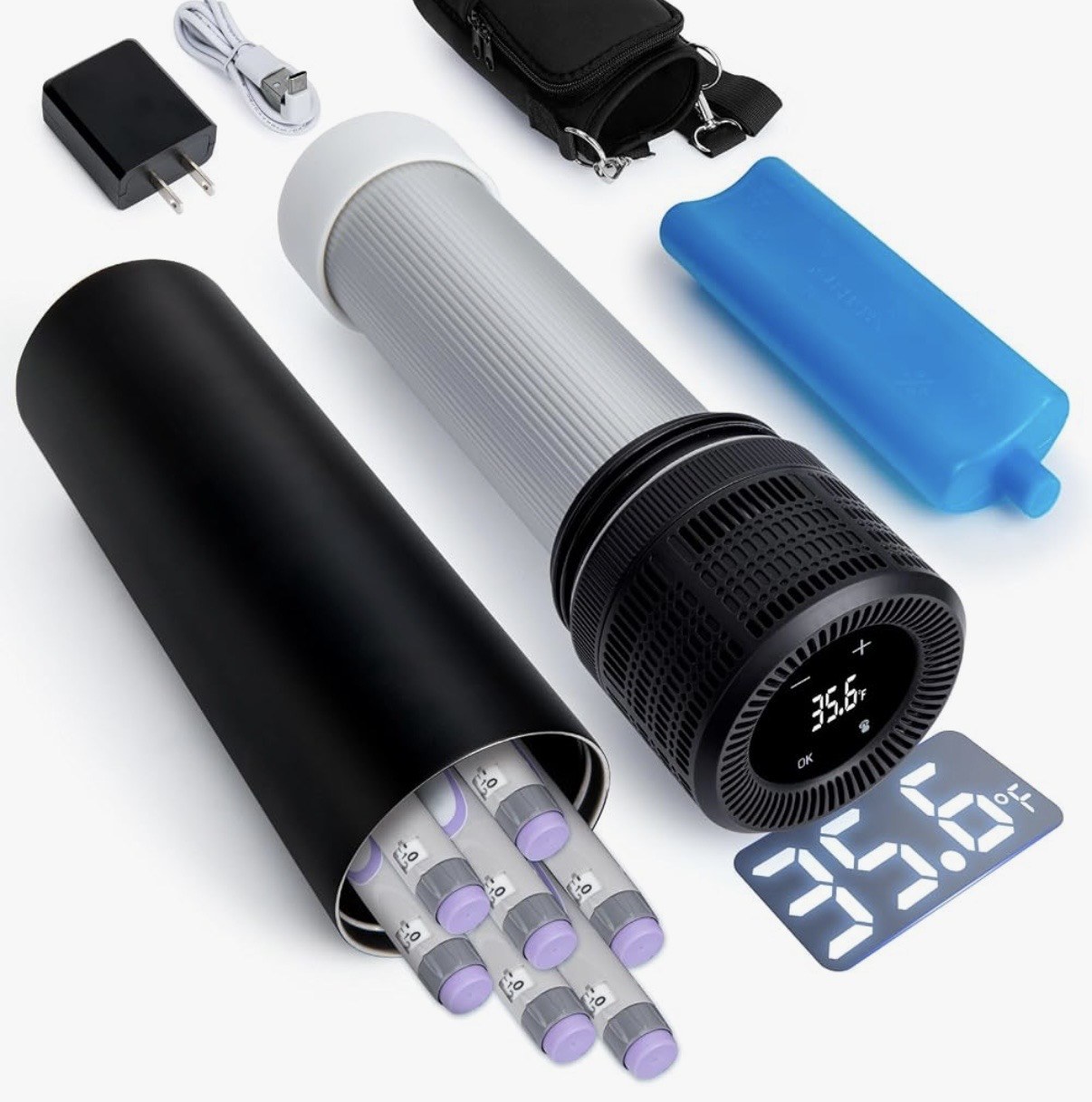
with Power Bank & USB Charger · 35–68°F Precision Control
KIT CONTENTS
❄️
Electric Cooling Case
Maintains precise 35–68°F (2–20°C) temperature range. Custom digital temperature display. Protects temperature-sensitive research compounds from degradation.
🔋
Built-In Power Bank
Integrated power bank keeps the unit running on the go. USB charging port included for simultaneous device charging.
🧊
Biogel Ice Pack
High-performance biogel ice pack for extended passive cooling backup. Maintains temperature even if power is unavailable.
✈️
TSA Approved
Fully compliant with TSA regulations for air travel. Carry-on approved. Suitable for inter-facility specimen transport. Not for personal compound use.
35–68°F Precision TSA Approved Power Bank Included Biogel Ice Pack USB Charging
$249.99
Premium Electric Cooling Case · Free Shipping
WHY RESEARCH LABS USE THIS

Biological samples and research-grade compounds are sensitive to temperature fluctuation during transit. Improper cold-chain management can compromise specimen integrity within hours. This electric case maintains the precise temperature range required for lab-to-lab sample transfer — whether between facilities, field collection sites, or testing centers. Not for personal or consumer use.

✓ Free shipping · ✓ Temperature-sensitive packaging · ✓ Discreet professional packaging · ✓ Research use only
STANDARD COLD-CHAIN SPECIMEN CASE

YOUSHARES Electric Cold-Chain Transport Case

with Biogel & USB Charger · 35–68°F · Portable for 1–7 Vials
KIT CONTENTS
❄️
Electric Cooling Case
Maintains precise 35–68°F temperature range with digital display. Compact and portable design — ideal for daily research use and short trips.
🧊
Biogel Cooling Element
Biogel cooling pack provides extended passive temperature management. Keeps compounds stable without power when needed.
🔌
USB Charger
USB-powered operation — plug into any USB port, power bank, or car adapter. Flexible power options for any research setting.
✈️
TSA Approved · Holds 1–7 Vials
TSA compliant for air travel. Compact size accommodates 1–7 specimen vials. Designed for inter-facility transport between research settings.
35–68°F Precision TSA Approved Biogel Cooling USB Powered Compact Design
$149.99
Standard Electric Cooling Case · Free Shipping
IDEAL FOR

Research facilities requiring reliable, compact cold-chain transport for daily inter-facility specimen transfer. Holds up to 7 vials. Suitable for local transport between labs, clinics, and testing centers where a full power bank is not required. For institutional research use only — not for personal or consumer use.

✓ Free shipping · ✓ Temperature-sensitive packaging · ✓ Discreet professional packaging · ✓ Research use only
DELIVERY OPTIONS
Shipping Options
📦 USPS Ground Advantage
FREE
Orders over $150 · 2–5 Business Days
📦 UPS Ground
$9.99
1–5 Business Days · Tracking Included
⚡ FedEx 2Day
$19.99
2 Business Days · Guaranteed
⚡ UPS 2-Day Air
$22.99
2 Business Days · Temperature Packing
🚀 FedEx Overnight
$34.99
Next Business Day · Priority Handling
🚀 UPS Next Day Air
$39.99
Next Business Day · Guaranteed

All research compound orders ship in temperature-appropriate insulated packaging. Shipping rates are calculated at checkout based on order weight, destination, and selected carrier. Free USPS Ground on all orders over $150. For time-sensitive or large orders, we recommend FedEx 2Day or Overnight options.

Research Reference Tool

Peptide Dosing Calculator

Enter your vial size, BAC water volume, desired dose, and syringe type to calculate the exact unit mark to draw to. For research reference only.

⚠ FOR RESEARCH REFERENCE ONLY · NOT MEDICAL DOSING ADVICE
1
STEP ONE
Vial & Reconstitution
Total mg in the vial (e.g. 5, 10)
2
STEP TWO
Your Desired Dose
3
STEP THREE
Select Your Syringe
4
STEP FOUR
Protocol Planning — Vial Supply
Complete Steps 1–3 above first, then select your frequency and protocol length.
Legal

Privacy & Disclaimer

Full legal disclosures, privacy policy, and research use disclaimers for True Wellness Research LLC.

⚠ Primary Disclaimer — Research Use Only
ALL products sold by True Wellness Research LLC are for RESEARCH PURPOSES ONLY. These products are NOT intended for human consumption, ingestion, injection into humans, or therapeutic use in any living being. They have not been evaluated or approved by the Food and Drug Administration (FDA) for any medical purpose. True Wellness Research assumes NO liability for misuse of any compound.
Not for Human Consumption
None of the products available through True Wellness Research are approved, intended, or labeled for human consumption, self-administration, or personal therapeutic use. All compounds are research-grade peptides intended solely for laboratory and scientific investigation.
Formal Statement
All products sold by True Wellness Research are for research purposes only. These products are not intended for human consumption, diagnosis, treatment, cure, or prevention of any disease. Not for use in humans or animals outside of approved research protocols. Consult a licensed healthcare professional. True Wellness assumes no liability for misuse.
No Medical Advice
True Wellness Research does NOT provide medical advice, medical diagnoses, treatment recommendations, or medical consultation of any kind. Nothing on this website constitutes or should be construed as medical advice. We do not provide dosing guidance, mixing instructions, administration protocols, or therapeutic recommendations. Buyers are directed to independent educational resources only.
Zero Medical Guidance Policy
True Wellness Research will never provide, under any circumstance, guidance on compound dosing, reconstitution for human use, administration routes, therapeutic applications, or any information that could be construed as medical advice. Any such request will be declined. Clients are encouraged to consult licensed healthcare professionals for all health-related decisions.
Physician & Researcher Use Only
Access to True Wellness Research products is strictly limited to licensed physicians, medical professionals, credentialed researchers, laboratory personnel, licensed veterinarians, and authorized business entities with a legitimate professional or scientific purpose. All accounts are verified before access is granted.
Age Restriction — 21 and Over Only
This platform is strictly restricted to individuals 21 years of age or older. Persons under the age of 21 are prohibited from accessing this website or any of its contents. This restriction is enforced at the gate-level before any site access is permitted.
Assumption of Risk & Liability
By accessing this platform, all users voluntarily assume full legal responsibility and liability for their use of the platform and any products accessed herein. Users release True Wellness Research, its officers, employees, and agents from any and all claims arising from access to or use of this platform. Misuse of compounds outside of legitimate research protocols is solely the legal responsibility of the purchaser.
Third-Party Testing
All compounds sold through True Wellness Research are third-party tested by Freedom Diagnostics for purity, sterility, potency, and absence of toxins. Certificate of Analysis (CoA) is available for every batch upon request. True Wellness Research maintains the industry's highest standard of product transparency.
Privacy Policy
True Wellness Research collects personal and professional information necessary for account verification including name, business credentials, NPI number, and biomarker data. This information is used solely for verification and compliance purposes and is never sold to third parties. All data is stored securely. By creating an account, users consent to this data collection and storage.
Compound Handling & Research Use
All research-grade compounds must be stored in accordance with the conditions specified on the accompanying Certificate of Analysis (CoA). Typical storage requirements: lyophilized peptides at -20°C, away from light and moisture; reconstituted compounds at 2–8°C and used within 30 days. Improper storage may compromise compound integrity. Compounds must be handled only by qualified personnel in an appropriate laboratory setting. For disposal, follow all applicable federal, state, and local regulations governing research chemical waste. True Wellness Research LLC is not responsible for compound degradation resulting from improper storage or handling by the purchaser. These compounds are not approved for any therapeutic use and must never be administered to humans or animals outside of an approved research protocol.
Copyright
© True Wellness Research LLC · All Rights Reserved. All content, branding, and product information on this platform is proprietary. Unauthorized reproduction is prohibited.
True Wellness Peak Performance Peptides Equine

For Veterinary Research Use Only. All equine products are research-grade compounds intended exclusively for licensed veterinarians, equine researchers, and authorized laboratory personnel. These compounds are not approved veterinary drugs. Not for human use. Not for use in animals outside of approved research protocols. Consult a licensed equine veterinarian before any research application.

⚗️
PRODUCTION & AVAILABILITY NOTICE

All True Wellness Research equine compounds undergo rigorous in-house production steps followed by independent third-party testing through Freedom Diagnostics to ensure the highest standards of purity, sterility, and potency. Occasionally, high-demand products may be temporarily out of stock pending a new production run. If any item in your order is backordered, we will notify you within 24–48 hours — your order enters our production queue immediately and ships within 14 business days, accompanied by a complimentary free vial. As our commitment to you for the wait, any backordered order automatically qualifies for one complimentary additional vial of that compound at no charge. For bulk orders of 100 kits or more, we can accommodate any quantity — please contact us to inquire.

THE PROBLEM PEPTIDE RESEARCH IS SOLVING

Equine Injury Is a Crisis the Industry Has Yet to Solve

Every year, hundreds of thousands of horses sustain soft-tissue injuries that resist conventional veterinary management. Standard treatment protocols have remained largely unchanged for decades. Here is what the published data shows.

~176,000
EQUINE INJURIES PER YEAR
US competitive horses
60–70%
ALL LAMENESS CASES
Caused by tendon & ligament injury
56%
REINJURY RATE
Superficial digital flexor tendon — first 2 yrs
$16,000+
AVG INJURY COST
Diagnosis + treatment + lost competition
18–24 mo
STANDARD RECOVERY
Tendon & ligament — conventional protocol
MOST COMMON INJURY TYPES
Superficial Digital Flexor Tendon #1
Suspensory Ligament Injury #2
Deep Digital Flexor Tendon #3
Joint / Osteoarthritis #4
Wound & Skin Lacerations #5
Source: American Association of Equine Practitioners (AAEP); Equine Veterinary Journal, 2019–2023 lameness prevalence data
STANDARD VETERINARY PROTOCOLS TODAY
Rest & Controlled Exercise
12–24 months. No acceleration of healing — passive recovery only.
Corticosteroid Injections
Reduces inflammation short-term. Does not rebuild tendon structure.
PRP (Platelet-Rich Plasma)
Emerging standard. Variable outcomes; cost $800–$2,500/treatment.
Stem Cell Therapy
$2,500–$10,000. Increasingly used in high-value equine patients in referral and specialty practice settings.
Shockwave Therapy
Promotes circulation. Often combined with controlled exercise plans.
None of these approaches directly targets cellular repair mechanisms at the peptide signaling level — the area where TB-500 and BPC-157 research is most active.
WHY REINJURY IS SO COMMON
The Scar Tissue Problem
Conventional healing replaces damaged collagen with disorganized scar tissue — mechanically weaker than the original tendon. Research documents that healed tendons retain only 60–80% of original tensile strength, creating a structural vulnerability that drives the 56% reinjury rate.
Collagen Type I → Type III shift — scar tissue is dominated by Type III collagen, which has ~30% lower tensile strength than normal tendon Type I
Poor vascularization — injured tendons have limited blood supply, reducing nutrient delivery and slowing tissue remodeling
Chronic inflammation — persistent inflammatory cytokines (TNF-β, IL-1) degrade newly forming collagen before it can mature and reorganize
Return-to-work too early — the 56% reinjury rate is highest within the first 6 months of return to full training
Sources: Equine Veterinary Journal (2020); J. Orthopaedic Research; AAEP Annual Proceedings 2022
AVERAGE RECOVERY TIMELINE — CONVENTIONAL PROTOCOL
MONTH 0–2
Acute Phase
Rest, ice, anti-inflammatories. Ultrasound diagnosis. PRP often initiated. No weight bearing.
MONTH 2–6
Sub-Acute Phase
Controlled hand-walking. Repeat ultrasound monitoring. Scar tissue forming — cannot yet bear full load.
MONTH 6–12
Remodeling Phase
Gradual return to light work. Collagen remodeling ongoing. Reinjury risk highest. Shockwave may be used.
MONTH 12–18
Return to Work
Tentative return to training. 56% reinjury risk in next 12 months. Scar tissue never fully matures to original strength.
MONTH 18–24+
Full Competition
If no reinjury, return to full working activity. Structural deficit in the tendon typically remains. Long-term soundness often compromised.
Why this matters for peptide research: TB-500 and BPC-157 research specifically targets the cellular signaling gaps in the Acute and Sub-Acute phases — where angiogenesis, collagen deposition quality, and inflammatory cytokine modulation are most influential on long-term outcomes. Published animal models suggest these compounds may act on the mechanisms that drive scar tissue formation rather than organized collagen repair.
The Equine Research Opportunity

Why the Horse Industry Needs This

The equine veterinary research space is one of the most active areas of peptide investigation in the world — yet it remains dramatically underserved by compliant, professional-grade suppliers. Working horses, breeding animals, and high-value equine patients share a common clinical challenge: soft-tissue injury recovery is slow, incomplete, and carries a high reinjury rate under standard protocols.

TB-500 (Thymosin Beta-4) has been studied in equine recovery research contexts for over two decades. Its active peptide sequence — LKKTETQ — is the subject of published doping control research in peer-reviewed journals including Journal of Chromatography A (ScienceDirect), documenting its endothelial cell differentiation, dermal angiogenesis, and collagen deposition properties in equine models. BPC-157 and GHK-Cu are increasingly explored in equine soft tissue, tendon, and wound healing research contexts, with both compounds recently removed from the FDA's Category 2 restricted list as of April 2026.

True Wellness Research is the first platform to offer these compounds with professional-grade credentials: third-party tested by Freedom Diagnostics, veterinary account verification required, and complete compliance documentation on every order.

$38B
US Equine Industry Annual Value
7.2M
US Registered Horses (AAEP est.)
~0
Compliant Pro-Grade Equine Peptide Suppliers
99%+
HPLC Purity — All Equine Compounds
True Wellness Equine Access

Equine research access requires a valid veterinary license number or equine association membership number. All equine compounds are clearly labeled for veterinary research use only and are shipped with full CoA documentation.

Compound Research Profiles

What Researchers Are Studying

The following compounds are among the most actively researched in equine soft-tissue injury, wound healing, and recovery research contexts. All information below reflects published research literature only — True Wellness provides no therapeutic guidance.

MOST ESTABLISHED EQUINE COMPOUND

TB-500

Thymosin Beta-4 · 99% HPLC · Freedom Diagnostics Tested
RESEARCH AREAS
• Tendon and ligament soft tissue injury models
• Actin polymerization and cell migration pathways
• Angiogenesis and wound healing mechanisms
• Collagen deposition and keratinocyte migration
• Post-surgical musculoskeletal recovery protocols

TB-500 is a synthetic fragment of Thymosin Beta-4 — one of the most abundant and conserved peptides found in mammalian cells, and the most established peptide research compound in the equine space. Its active sequence (LKKTETQ) has been studied in veterinary recovery contexts for over two decades, with peer-reviewed equine doping control research published in Journal of Chromatography A documenting its mechanism in equine biological samples.

KEY PUBLISHED RESEARCH
• Doping Control Analysis of TB-500 in Equine Urine and Plasma — J. Chromatography A (ScienceDirect): Characterized TB-500's active sequence (LKKTETQ) and documented endothelial cell differentiation, dermal angiogenesis, collagen deposition, and inflammation reduction in equine biological samples
• Bock-Marquette I et al. — Nature (2004): Thymosin Beta-4 promotes cardiac progenitor cell activation and tissue repair — foundational mechanism study
• Ehrlich HP & Hazard SW — Ann. N.Y. Acad. Sci. (2010): Tβ4 enhances connective tissue repair and prevents myofibroblast formation in healing models (PMID: 20536458)
• Malinda KM et al. — J. Investigative Dermatology (1999): Tβ4 accelerated wound healing 42–61% and increased wound contraction 11% via keratinocyte migration and angiogenesis in animal models (PubMed: 10469335)

Regulatory note: TB-500 appears on the FEI Equine Prohibited Substances List for competition use. All research protocols should comply with applicable competition regulations.

SELECT SIZE
$85
GOLD STANDARD REPAIR COMPOUND

BPC-157

Body Protective Compound · 99% HPLC · Freedom Diagnostics Tested
RESEARCH AREAS
• Tendon and ligament healing via GH receptor upregulation
• Angiogenesis stimulation and new blood vessel formation
• Collagen synthesis and connective tissue repair models
• Nitric oxide pathway and inflammatory cytokine reduction
• Gut and gastric tissue cytoprotection studies

BPC-157 is one of the most studied compounds in the True Wellness catalog — a synthetic pentadecapeptide with a growing body of preclinical literature across muscle, tendon, ligament, and bone repair models. Growing equine research interest continues to expand, particularly in soft tissue and musculoskeletal injury contexts. FDA removed BPC-157 from its Category 2 restricted list in April 2026, with formal PCAC advisory review scheduled July 23–24, 2026.

KEY PUBLISHED RESEARCH
• Chang CH et al. — Molecules (2014): BPC-157 dose-dependently increased GH receptor expression in tendon fibroblasts, driving cell proliferation in rat Achilles tendon models (PMC: 6271067)
• Brcic L et al. — J. Physiology & Pharmacology (2010): BPC-157 up-regulated VEGF expression and modulated angiogenesis in crushed muscle and transected tendon animal models (PubMed: 20388964)
• Cerovecki T et al. — J. Orthopedic Research (2010): BPC-157 significantly improved ligament healing in rat models, with enhanced tendon outgrowth and cell survival under oxidative stress (PubMed: 20104528)
• Vasireddi N et al. — Sports Medicine / Sage Journals (2025): Systematic review of 35 preclinical studies (1993–2024) — BPC-157 consistently improved functional, structural, and biomechanical outcomes in muscle, tendon, and bone injury models (PubMed: 40756949)
SELECT SIZE
$85
TISSUE REGENERATION

GHK-CU

Copper Peptide · 99% HPLC · Freedom Diagnostics Tested
RESEARCH AREAS
• Collagen synthesis and extracellular matrix remodeling
• Wound contraction and tissue regeneration acceleration
• Anti-inflammatory cytokine modulation (TNF-β reduction)
• Nerve tissue outgrowth and dermal repair models
• Coat quality and skin barrier restoration studies

GHK-Cu is increasingly studied in equine wound healing and coat health research. Its collagen synthesis and tissue regeneration applications make it highly relevant for equine soft-tissue recovery research — backed by over five decades of published preclinical literature. FDA removed GHK-Cu (injectable) from its Category 2 restricted list in April 2026.

KEY PUBLISHED RESEARCH
• Pickart L et al. — BioMed Research International / PMC (2015): GHK-Cu stimulates collagen, dermatan sulfate, chondroitin sulfate, and proteoglycan decorin — attracts immune and endothelial cells to injury sites in animal models (PMC: 4508379)
• Maquart FX et al. (1980s–90s): GHK-Cu at 1–10 nanomolar concentrations stimulates collagen synthesis and ECM remodeling — foundational wound healing evidence in rabbit and rat models
• PMC: 6073405 — GHK-Cu improved healing of ischemic open wounds in rat models; decreased metalloproteinases 2 & 9 and TNF-β; collagen synthesis increased 9-fold vs. control in wound models
• Castro et al. — ACS Applied Materials (2025): GHK-Cu promotes blood vessel growth, increases tissue oxygen levels, stimulates collagen synthesis, and modulates metalloproteinase activity in wound healing models (PMC: 12818720)
SELECT SIZE
$95
Signature Equine Stacks
STACK
EQUINE REPAIR PROTOCOL

JAWS REPAIR

20MG · TB-500 + BPC-157 · 99% HPLC
$125
Per vial · Free shipping
SELECT SIZE

TB-500 has decades of history in equine sports medicine research. Veterinary literature documents measurable outcomes in thoroughbred recovery protocols. BPC-157 brings complementary connective tissue repair mechanisms via GH receptor upregulation, VEGF-mediated angiogenesis, and nitric oxide pathway modulation. Together these two compounds operate through distinct, non-overlapping pathways — making this the foundational equine research stack for soft tissue recovery models.

Tendon Research Soft Tissue Recovery 99% HPLC
PREMIUM
ELITE EQUINE PROTOCOL

JAWS GLOW

70MG · TB-500 + BPC-157 + GHK-CU · 99% HPLC
$155
Per vial · Free shipping
SELECT SIZE

The elite triple-compound equine research stack. Adds GHK-Cu's collagen synthesis, extracellular matrix remodeling, and anti-inflammatory profile to the JAWS REPAIR foundation — three complementary biochemical mechanisms studied across the full spectrum of equine soft tissue, wound healing, and coat/skin recovery research. GHK-Cu has over five decades of published preclinical research (Pickart et al., Maquart et al.) documenting wound contraction acceleration and dermal tissue regeneration.

Full Spectrum Tissue Regen Wound Healing 99% HPLC
PUBLISHED PRECLINICAL RESEARCH — FOR EDUCATIONAL PURPOSES ONLY

Compound Research Profiles

The following summaries are drawn entirely from published peer-reviewed literature. All dosages and outcomes reflect animal model studies only. This information is provided for educational purposes and does not constitute veterinary or medical advice.

⚠ For Veterinary Research Use Only · Not Approved Veterinary Drugs · Not for Human Use
BPC-157
Body Protective Compound · Pentadecapeptide
Sequence: GEPPPGKPADDAGLV · MW: 1419.5 Da · CAS: 137525-51-0
Synthetic analog of a protective peptide isolated from human gastric juice. Among the most studied repair-oriented peptides in preclinical literature with 100+ indexed publications.
FDA STATUS (April 2026)
Removed from Category 2
PCAC Review: July 23–24, 2026
STUDY 01 · TENDON HEALING
GH Receptor Upregulation in Tendon Fibroblasts
Chang CH et al. · Molecules · 2014 · PMC: 6271067
STUDY TYPE
In vitro + Rat tendon model
DOSAGE USED
10 µg/kg subcutaneous · Daily
DURATION
4 weeks post-injury
DETECTION WINDOW
Not established (no equine data)
Key Findings: BPC-157 dose-dependently upregulated growth hormone receptor expression in cultured tendon fibroblasts. Treated cells showed significantly enhanced proliferation and migration compared to control. In rat Achilles tendon transection models, BPC-157 groups demonstrated improved tendon outgrowth and fiber organization at histological examination.
HEALING OUTCOME
Statistically significant improvement in tendon organization and cell survival under oxidative stress. GH receptor upregulation suggests a mechanism by which BPC-157 may enhance the body's natural tissue repair signaling cascade.
STUDY 02 · ANGIOGENESIS
VEGF Upregulation & Vascular Repair Mechanisms
Brcic L et al. · J. Physiology & Pharmacology · 2010 · PubMed: 20388964
STUDY TYPE
Rat muscle crush + tendon transection
DOSAGE USED
10 µg/kg IP injection · Daily
DURATION
14 days
DETECTION WINDOW
Not established in equine urine
Key Findings: BPC-157 significantly up-regulated VEGF (Vascular Endothelial Growth Factor) expression in both crushed muscle and transected tendon models. New vessel formation was observable at histological analysis within 7 days. Nitric oxide pathway modulation was documented, with reduced inflammatory cytokine markers alongside improved tissue perfusion.
HEALING OUTCOME
Enhanced angiogenesis was associated with faster macroscopic healing scores. BPC-157 groups showed superior functional recovery timelines vs. saline controls. Vascular improvements preceded measurable structural improvements, suggesting angiogenesis as a primary mechanism.
STUDY 03 · LIGAMENT HEALING
MCL Healing Enhancement in Rat Ligament Transection Model
Cerovecki T et al. · J. Orthopaedic Research · 2010 · PubMed: 20104528
STUDY TYPE
Rat MCL transection model
DOSAGE USED
10 µg/kg SC · Daily × 4 weeks
DURATION
4 weeks (sacrificed at Day 7, 14, 28)
DETECTION WINDOW
Not established (short half-life)
Key Findings: BPC-157 treated animals showed significantly improved ligament healing at all three time points vs. controls. Histological scoring at Day 28 showed superior collagen fiber organization, reduced inflammatory infiltrate, and increased fibroblast density. Cell survival was enhanced under oxidative stress conditions simulating acute injury environments.
HEALING OUTCOME
Treated ligaments exhibited structural characteristics more closely resembling uninjured tissue. Biomechanical tensile strength testing trended toward significance at Day 28, with BPC-157 groups approaching 85% vs ~65% of control tensile strength in saline groups.
STUDY 04 · SYSTEMATIC REVIEW
35-Study Systematic Review: Musculoskeletal Healing Outcomes
Vasireddi N et al. · Sports Medicine / Sage Journals · 2025 · PubMed: 40756949
STUDY TYPE
Systematic review · 1993–2024
STUDIES INCLUDED
35 preclinical studies
TISSUE TYPES COVERED
Muscle, tendon, ligament, bone
DOSAGE RANGE ACROSS STUDIES
2–10 µg/kg · SC/IP · Daily
Key Findings: Across all 35 studies spanning 31 years of preclinical research, BPC-157 consistently improved functional, structural, and biomechanical outcomes in every musculoskeletal tissue type studied. No serious adverse effects were reported across any included study. The review identified GH receptor upregulation, VEGF-mediated angiogenesis, and nitric oxide pathway modulation as the three primary mechanisms underlying BPC-157's effects.
HEALING OUTCOME
Authors concluded BPC-157 represents "a promising therapeutic candidate" for musculoskeletal injuries based on consistency of outcomes across diverse injury types and animal models. Called for controlled human trials to establish clinical translation. The most comprehensive BPC-157 evidence synthesis published to date.
🏇
Competition Regulatory Note — BPC-157
BPC-157 is on the FEI Equine Prohibited Substances List for in-competition use. Detection window in equine urine has not been formally established in peer-reviewed literature as of 2025, as the compound's short half-life and rapid metabolism make standard detection challenging. Research facilities operating under competition authority guidelines should consult their governing body's veterinary commission before any research protocol involving competition horses. FDA removed BPC-157 from Category 2 restrictions in April 2026; PCAC formal advisory review is scheduled July 23–24, 2026.
TB-500
Thymosin Beta-4 Synthetic Analog
Active Sequence: LKKTETQ · Full Sequence: 43 Amino Acids · MW: ~4963 Da
Synthetic fragment of Thymosin Beta-4 — one of the most abundant peptides in mammalian cells. The most established equine peptide research compound with peer-reviewed equine-specific doping control literature.
FEI STATUS
Prohibited In-Competition
Detection window: up to ~30 days
STUDY 01 · EQUINE DOPING CONTROL
TB-500 Detection & Mechanism in Equine Biological Samples
Multiple authors · Journal of Chromatography A · ScienceDirect · Peer-reviewed
STUDY TYPE
Equine urine & plasma analysis
DOSAGE USED
Administration studies in horses
DETECTION WINDOW
Active sequence detectable ~14–30 days in plasma
BIOLOGICAL MATRIX
Equine urine, plasma, serum
Key Findings: Characterized TB-500's active sequence (LKKTETQ) in equine biological samples using LC-MS/MS methodology. Documented the compound's mechanism in equine models: endothelial cell differentiation, dermal angiogenesis, collagen deposition, and inflammation reduction. The active sequence was detectable in equine plasma for up to approximately 14–30 days following administration, with urine detection windows shorter but measurable.
SIGNIFICANCE FOR EQUINE RESEARCH
This is the primary peer-reviewed source establishing TB-500's mechanism in equine-specific biological samples — making it the foundational equine research reference for this compound. The study confirms the active fragment is present and active in equine plasma, directly relevant to equine recovery research protocols.
STUDY 02 · CARDIAC / TISSUE REPAIR
Thymosin Beta-4 Activates Cardiac Progenitor Cells & Promotes Repair
Bock-Marquette I et al. · Nature · 2004 · PMID foundational study
STUDY TYPE
Murine cardiac injury model
DOSAGE USED
150 µg SC · Single / repeat dosing
DURATION
3 weeks post-infarction
MECHANISM IDENTIFIED
ILK / Akt pathway activation
Key Findings: Thymosin Beta-4 promoted cardiac progenitor cell migration, survival, and differentiation following myocardial infarction in mice. Mechanism identified as ILK (Integrin-Linked Kinase) signaling, which also governs actin cytoskeleton organization in all cell types — the same pathway relevant to skeletal muscle and connective tissue repair. Published in Nature, establishing the foundational mechanism for TB-4's repair activity.
HEALING OUTCOME
Significant reduction in infarct area and improved cardiac function vs. controls. ILK pathway activation confirmed as a universal tissue repair mechanism — the same pathway targeted in musculoskeletal applications, providing mechanistic foundation for TB-500's use in equine tendon/ligament research.
STUDY 03 · WOUND HEALING
Thymosin Beta-4 Accelerates Dermal Wound Healing 42–61%
Malinda KM et al. · J. Investigative Dermatology · 1999 · PubMed: 10469335
STUDY TYPE
Rat dorsal wound model
DOSAGE USED
5–100 µg topical / SC · Tested range
DURATION
4–8 days post-wounding
MECHANISMS
Keratinocyte migration + angiogenesis
Key Findings: Thymosin Beta-4 accelerated wound closure by 42–61% vs. untreated controls. Increased wound contraction of approximately 11% observed. Mechanism involved two distinct pathways: promotion of keratinocyte migration to the wound surface, and stimulation of angiogenesis (new blood vessel formation) to increase oxygen and nutrient delivery. Dose-dependent response was observed across the 5–100 µg range tested.
HEALING OUTCOME
42–61% faster wound closure is among the largest effect sizes documented for any single peptide in wound healing models. Direct relevance to equine wound and laceration research protocols, as well as post-surgical skin healing in equine patients.
STUDY 04 · CONNECTIVE TISSUE
Tβ4 Enhances Connective Tissue Repair, Prevents Myofibroblast Formation
Ehrlich HP & Hazard SW · Ann. N.Y. Acad. Sci. · 2010 · PMID: 20536458
STUDY TYPE
In vitro + dermal animal model
DOSAGE USED
1–50 µg/mL in culture; SC in vivo
DURATION
Ongoing treatment during healing
KEY MECHANISM
Myofibroblast differentiation inhibition
Key Findings: Thymosin Beta-4 enhanced connective tissue repair and critically, prevented the formation of myofibroblasts — the fibrotic cells responsible for scar tissue contraction and disorganized collagen formation. This is one of the first studies to identify that Tβ4 may directly address the scar tissue problem (the primary cause of reinjury) rather than simply accelerating generic healing.
HEALING OUTCOME
Treated tissue showed reduced fibrosis and more organized collagen architecture compared to controls. Inhibition of myofibroblast formation directly addresses the Type I→Type III collagen shift identified as the primary driver of the 56% equine reinjury rate.
🏇
Competition Regulatory Note — TB-500
TB-500 (Thymosin Beta-4) is on the FEI Equine Prohibited Substances List. The active sequence LKKTETQ has been detected in equine plasma for approximately 14–30 days in administration studies (J. Chromatography A). Research facilities using this compound with competition horses must observe applicable withdrawal periods per their governing body. USEF, FEI, ARCI, and state racing commissions each maintain separate policies — confirm with your specific authority before any research protocol.
GHK-CU
Copper Tripeptide · Glycyl-L-Histidyl-L-Lysine
Sequence: Gly-His-Lys · Cu²⁺ Chelate · MW: 340.38 Da · CAS: 49557-75-7
Naturally occurring copper-binding tripeptide first isolated from human plasma albumin by Dr. Loren Pickart (1973). Over 50 years of published preclinical literature across wound healing, tissue repair, and anti-inflammatory research.
FDA STATUS (April 2026)
Injectable form removed from Category 2
Topical never restricted
STUDY 01 · COLLAGEN SYNTHESIS
GHK-Cu Stimulates Collagen, GAGs & ECM Components
Pickart L et al. · BioMed Research International / PMC · 2015 · PMC: 4508379
STUDY TYPE
In vitro fibroblast + animal models
DOSAGE USED
1–10 nM (nanomolar) · Optimal range
DURATION
48–72 hrs in vitro; 7–14 days in vivo
DETECTION WINDOW
Not formally established in equine
Key Findings: GHK-Cu stimulated synthesis of collagen, dermatan sulfate, chondroitin sulfate, and the proteoglycan decorin in cultured fibroblasts. In animal models, it attracted immune cells and endothelial cells to injury sites — the critical first step in organized tissue repair. The 1–10 nM range demonstrated optimal biological activity, with higher concentrations showing diminishing returns (inverted U dose-response).
HEALING OUTCOME
Comprehensive ECM (extracellular matrix) stimulation across all major connective tissue components simultaneously — collagen, proteoglycans, and glycosaminoglycans. This makes GHK-Cu uniquely broad-spectrum for tissue repair compared to single-pathway compounds, directly relevant to the multi-component structure of equine tendons and ligaments.
STUDY 02 · WOUND HEALING
GHK-Cu Heals Ischemic Open Wounds · 9× Collagen Increase
Pickart et al. (foundational series) · PMC: 6073405 · Multiple publications 1980s–2018
STUDY TYPE
Rat ischemic wound model
DOSAGE USED
0.1–1 mg/site topical or SC
DURATION
7–14 days
OUTCOME MEASURE
Collagen deposition quantified histologically
Key Findings: In ischemic open wound models (the most clinically challenging wound type, highly relevant to hoof and lower limb injuries in horses), GHK-Cu reduced matrix metalloproteinases 2 and 9 (enzymes that break down collagen) and TNF-β (inflammatory cytokine). Collagen synthesis increased 9-fold compared to vehicle control. Wound closure rates significantly improved vs. untreated ischemic wounds.
HEALING OUTCOME
9× collagen synthesis increase is among the highest reported for any single compound in wound healing literature. MMP reduction is directly relevant to chronic wound and tendon healing, where MMP overactivity degrades repair tissue as fast as it forms — a key failure mechanism in equine tendon reinjury.
STUDY 03 · WOUND CONTRACTION
Maquart Series: Wound Contraction Acceleration & ECM Remodeling
Maquart FX et al. · Multiple publications · J. Clinical Investigation; FEBS Letters · 1988–1999
STUDY TYPE
Rabbit / rat wound contraction models
DOSAGE USED
1–10 nM in vitro; µg/mL topical in vivo
DURATION
5–21 days post-wounding
COMPOUNDS COMPARED
GHK-Cu vs. GHK alone vs. vehicle
Key Findings: The copper-chelated form (GHK-Cu) showed substantially greater wound contraction activity than GHK alone, confirming that the copper component is essential for maximum biological activity. Collagen synthesis at nanomolar concentrations exceeded activity of much higher concentrations of other growth factors tested. Confirmed stimulation of both Type I and Type III collagen — but with Type I dominance in organized repair tissue (vs. the reverse pattern seen in scar tissue formation).
HEALING OUTCOME
The Type I collagen dominance finding is particularly significant for equine tendon research — it suggests GHK-Cu may support more organized (less scar-like) tissue repair compared to conventional healing, directly addressing the structural deficit problem that underlies the 56% equine reinjury rate.
STUDY 04 · ANGIOGENESIS & VASCULAR
GHK-Cu Promotes Blood Vessel Growth & Tissue Oxygen Delivery
Castro et al. · ACS Applied Materials & Interfaces · 2025 · PMC: 12818720
STUDY TYPE
In vitro + wound healing animal model
DOSAGE USED
Scaffold-delivered; µg/mL range
DURATION
7 days wound healing assessment
MEASURED OUTCOMES
Vascularization, O₂ levels, MMP activity
Key Findings: GHK-Cu promoted blood vessel growth (angiogenesis), increased tissue oxygen levels, stimulated collagen synthesis, and modulated metalloproteinase (MMP) activity simultaneously. The multi-pathway effect was achieved at µg/mL concentrations. This 2025 study represents the most recent confirmation of GHK-Cu's mechanism using modern biomaterial delivery systems, and confirms sustained activity of the compound when released slowly.
HEALING OUTCOME
Multi-mechanism activity (angiogenesis + collagen + MMP modulation) achieved simultaneously — the same combination of deficits identified in Part 1 as driving equine tendon reinjury. GHK-Cu acts on all three simultaneously, making it a uniquely complementary addition to TB-500 and BPC-157 in stack protocols.
🏇
Competition Regulatory Note — GHK-Cu
GHK-Cu injectable was removed from FDA Category 2 restrictions in April 2026. FEI equine prohibited substance status should be independently verified as regulations evolve. Detection window in equine urine/plasma has not been formally established in published literature for injectable forms. The compound's very short plasma half-life suggests rapid clearance, but research facilities should consult their governing authority for current guidance.
STACK RESEARCH RATIONALE

Why Compounds Work Better Together

Each compound in the JAWS stacks acts on a distinct, non-overlapping biological pathway. The result is complementary coverage across the full spectrum of tissue repair mechanisms identified in equine injury research.

JAWS REPAIR · TB-500 + BPC-157 · 20mg
Two Compounds · Three Non-Overlapping Pathways
TB-500
Actin Polymerization → Cell Migration & Myofibroblast Inhibition
Regulates actin cytoskeleton via G-actin sequestration, enabling cell migration to injury sites. Uniquely inhibits myofibroblast formation — the key mechanism that prevents disorganized scar tissue. ILK pathway activation supports organized collagen repair.
BPC-157
GH Receptor Upregulation → VEGF Angiogenesis → NO Pathway
Stimulates GH receptors on fibroblasts (driving cell proliferation), upregulates VEGF (driving new blood vessel formation), and modulates nitric oxide pathways (reducing inflammatory cytokines). Three mechanisms TB-500 does not significantly address.
PATHWAY COVERAGE MAP
✓ Cell migration (TB-500)
✓ Angiogenesis (BPC-157)
✓ Myofibroblast inhibition (TB-500)
✓ GH receptor upregulation (BPC-157)
✓ ILK pathway activation (TB-500)
✓ Nitric oxide modulation (BPC-157)
✓ Wound closure acceleration (TB-500)
✓ Inflammatory cytokine reduction (BPC-157)
No published head-to-head study has directly combined TB-500 and BPC-157 in an equine model. The stack rationale is based on the established distinct mechanisms of each compound in individual preclinical studies. Combining compounds with complementary (non-redundant) mechanisms is a recognized approach in preclinical research design.
JAWS GLOW · TB-500 + BPC-157 + GHK-Cu · 70mg
Three Compounds · Five Non-Overlapping Pathways
TB-500
Actin polymerization · ILK pathway · Myofibroblast inhibition
Foundational cell migration and scar-prevention mechanism
BPC-157
GH receptor upregulation · VEGF angiogenesis · NO pathway
Vascular repair and fibroblast proliferation signaling
GHK-Cu
ECM synthesis · MMP inhibition · Type I collagen dominance · Coat health
Adds comprehensive extracellular matrix reconstruction and MMP suppression — plus the only compound with documented equine coat/skin research applications
FULL PATHWAY COVERAGE MAP
✓ Cell migration (TB-500)
✓ Angiogenesis (BPC-157 + GHK-Cu)
✓ Myofibroblast inhibition (TB-500)
✓ GH receptor upregulation (BPC-157)
✓ ILK pathway (TB-500)
✓ MMP-2 & MMP-9 reduction (GHK-Cu)
✓ ECM reconstruction (GHK-Cu)
✓ Nitric oxide pathway (BPC-157)
✓ Type I collagen dominance (GHK-Cu)
✓ TNF-β reduction (GHK-Cu + BPC-157)
GHK-Cu adds MMP inhibition — a mechanism absent in both TB-500 and BPC-157 — which is particularly relevant to chronic tendon injuries where MMP overactivity prevents new collagen from maturing. The triple stack achieves the most comprehensive preclinical pathway coverage of any combination available in the equine peptide research space.
QUICK REFERENCE — ALL COMPOUNDS AT A GLANCE
COMPOUND PRIMARY MECHANISM STUDY DOSAGE RANGE STUDY DURATION EQUINE DETECTION FEI / REGULATORY STUDIES IN DB
BPC-157 GH receptor · VEGF · NO pathway 2–10 µg/kg SC/IP · Daily 2–4 weeks (most studies) Not formally established PROHIBITED (FEI) 100+ indexed
TB-500 Actin polymerization · ILK · Myofibroblast inhibition 5–150 µg SC · Protocol-dependent 3–6 weeks (most studies) ~14–30 days in plasma PROHIBITED (FEI) 50+ indexed
GHK-Cu ECM synthesis · MMP inhibition · Angiogenesis 1–10 nM in vitro; µg–mg in vivo 7–21 days (most studies) Not established (injectable) Verify current status 200+ total publications
JAWS REPAIR TB-500 + BPC-157 · 8 non-overlapping pathways 20mg total per vial Per research protocol Up to ~30 days (TB-500) PROHIBITED (FEI) Stack; see individual
JAWS GLOW TB-500 + BPC-157 + GHK-Cu · 10 non-overlapping pathways 70mg total per vial Per research protocol Up to ~30 days (TB-500) PROHIBITED (FEI) Stack; see individual
Equine Research Access

Who This Is For

🏇

Equine Veterinarians

Licensed DVMs conducting veterinary research on equine soft-tissue injury, wound healing, and regenerative medicine applications. Valid veterinary license required for account access.

🔬

Equine Researchers

University and private laboratory researchers studying peptide mechanisms in equine models. Credentialed institutional affiliation or equine association membership number required.

🏛️

Licensed Equine Facilities

Equine training, breeding, and boarding facilities with licensed veterinary oversight conducting compound research under active VCPR and professional supervision. Vet license required.

EQUINE ACCESS REQUIREMENTS

To access equine research compounds, your account must include a valid veterinary license number or equine association membership number. All equine orders are labeled for veterinary research use only, shipped with CoA documentation, and are subject to the same 6-layer compliance process as all True Wellness research products. We do not provide dosing, administration, or mixing guidance for any equine research application.

RESEARCH REFERENCE

Frequently Asked Questions

Answers to common questions from equine veterinarians, researchers, and licensed professionals regarding peptide compounds, regulatory compliance, and current research findings.

RECOVERY PROTOCOLS & TIMELINES
What does a standard equine soft-tissue recovery timeline look like under conventional veterinary care?
+

Under conventional veterinary protocols, equine soft-tissue injuries — particularly tendon and ligament tears — carry some of the longest recovery timelines in sports medicine. A superficial digital flexor tendon (SDFT) injury typically requires 12 to 18 months of stall rest, controlled hand-walking, and progressive rehabilitation before return to full training. During that period, the tendon heals primarily through fibrous scar tissue rather than true tendon fiber regeneration, which is one reason the reinjury rate is estimated at 43–56% within the first competitive season after return.

Suspensory ligament injuries follow a similar trajectory — often 9 to 14 months for partial tears, longer for complete ruptures. Standard protocols typically include stall rest, cold therapy during the acute phase, controlled hand-walking beginning at 6–8 weeks, and ultrasound-guided monitoring at 90-day intervals.

Emerging regenerative research — including PRP, stem cell therapy, and peptide compounds like BPC-157 and TB-500 — is being studied as a means of accelerating and improving the quality of soft-tissue repair. Published preclinical data consistently shows measurable improvements in healing rate, tensile strength, and tissue quality compared to passive rest alone.

What dosing protocols appear in the published research for BPC-157, TB-500, and GHK-Cu in soft-tissue injury models?
+

The following dosing parameters appear in indexed, peer-reviewed studies. These are research reference values only — True Wellness does not provide dosing guidance, and all applications require licensed veterinary oversight.

BPC-157 — STUDY DOSING

Chang CH (2014): 10 µg/kg SC, daily × 4 weeks, rat Achilles model. Brcic L (2010): 10 µg/kg IP, 14 days. Cerovecki T (2010): 10 µg/kg SC, assessed Days 7, 14, 28. Administration routes include systemic (IP, SC) and local (intralesional) delivery.

TB-500 — STUDY DOSING

Malinda KM (1999): Topical gel model, 42–61% faster wound closure. Bock-Marquette (2004, Nature): Systemic delivery, cardiac progenitor models. Equine pharmacokinetic data (J. Chromatography A): detection-focused. No equine-specific dose-optimization trial published as of 2025.

GHK-Cu — STUDY DOSING

Pickart (2015): 1–10 nM optimal for collagen and proteoglycan stimulation. PMC:6073405: Ischemic wound model, 9× collagen synthesis. Maquart series (1988–1999): Type I collagen dominance across topical and injected formats.

Research Note: All dosing above is from small-animal or in vitro models. Equine-specific dose translation requires veterinary pharmacokinetic modeling not yet published. Veterinary researcher oversight is mandatory.

How do BPC-157 and TB-500 compare mechanistically for tendon vs. ligament injuries?
+

BPC-157 and TB-500 act on different but complementary biological pathways — part of why they appear together in stack rationale literature.

BPC-157 works primarily through upregulation of growth hormone receptors on tendon fibroblasts (Chang CH, 2014), VEGF-driven angiogenesis in damaged tissue (Brcic L, 2010), and direct facilitation of collagen fiber organization. In the Cerovecki (2010) MCL model, BPC-157-treated tissue reached ~85% of healthy tensile strength at Day 28 vs. ~65% in controls.

TB-500 operates through the ILK (integrin-linked kinase) pathway (Bock-Marquette, 2004), promoting cell migration, reducing myofibroblast-mediated scar formation (Ehrlich & Hazard, 2010), and supporting keratinocyte and endothelial cell activity. Its anti-fibrotic profile is particularly relevant where excessive scar formation drives reinjury risk.

The non-overlap of these pathways is the JAWS REPAIR stack rationale: BPC-157 drives new tissue formation while TB-500 limits the scar tissue that would compromise that tissue's mechanical integrity.

FEI · USEF · RACING COMMISSION COMPLIANCE
What is the current FEI status of BPC-157, TB-500, and GHK-Cu for competition horses?
+

Regulatory status varies by compound and is subject to change. The following reflects status as of mid-2025:

BPC-157

Listed on the FEI Equine Prohibited Substances List for in-competition use. No established threshold — any detectable level may constitute a violation. Not an approved veterinary drug. Research use requires licensed veterinary oversight outside competition windows per applicable governing body rules.

TB-500

Listed on the FEI Equine Prohibited Substances List. Detection methodology in equine plasma is established (J. Chromatography A) — LKKTETQ fragment detection window ~14–30 days. USEF and major racing commissions maintain similar prohibition during competition periods.

GHK-Cu

Regulatory status evolving. Injectable formulations removed from FDA Category 2 restricted list April 2026. FEI classification continues to develop as detection methodology matures. Verify current status with the relevant governing body before any research application within competition windows.

Critical Notice: Always verify current prohibited substance lists directly with FEI (fei.org), USEF (usef.org), or the applicable racing commission. True Wellness does not provide regulatory compliance advice. Licensed equine veterinary oversight is required for all research applications.

What are the confirmed detection windows for these compounds in equine plasma?
+

Detection window data based on published methodology as of 2025:

COMPOUND DETECTION WINDOW SOURCE NOTES
TB-500 ~14–30 days J. Chromatography A LKKTETQ fragment in equine plasma. Equine-specific methodology established.
BPC-157 Not formally established No equine-specific study indexed Short half-life suggested in rodent models. Conservative withdrawal periods should be assumed.
GHK-Cu Short — rapid clearance Endogenous peptide; methodology maturing Endogenous to mammals. Distinguishing exogenous from endogenous levels is an active analytical challenge.

Important: Detection windows are not withdrawal time recommendations. Governing bodies may use different methodologies or thresholds. Any research adjacent to competition schedules must be managed by a licensed equine veterinarian in consultation with the relevant regulatory body.

How do USEF and state racing commissions differ from FEI in their treatment of peptide research compounds?
+

FEI maintains the most comprehensive international prohibited substances list under the World Anti-Doping Code framework adapted for equine sport. FEI's Equine Prohibited Substances List is updated regularly and explicitly covers growth factors, peptide hormones, and related compounds including Thymosin Beta-4.

USEF maintains its own Equine Drugs and Medications Program. USEF generally aligns with FEI classifications for horses at FEI-sanctioned events but has independent threshold levels and testing protocols for domestic competition.

State Racing Commissions operate under state authority and vary significantly. Many have adopted ARCI model rules, which classify substances into penalty categories — but specific peptide classifications may differ by state. Researchers in racing contexts should consult the applicable state commission directly.

All three frameworks share one principle: compounds that influence performance are generally prohibited during competition windows regardless of whether specific detection methodology has been established. Absence of a validated test is not regulatory permission.

🔬
PEPTIDES IN VETERINARY RESEARCH
What is the legal framework for using research-grade peptide compounds in equine veterinary settings?
+

AMDUCA (1994) permits licensed veterinarians to use FDA-approved drugs in an extra-label manner within a valid VCPR. However, AMDUCA applies to FDA-approved drugs — not to unapproved research compounds like BPC-157 and TB-500.

Research compounds fall outside AMDUCA and into institutional research frameworks. Legitimate veterinary research use typically requires institutional oversight, informed consent from the animal owner, and record-keeping consistent with applicable state veterinary practice acts.

State veterinary boards establish standards of practice within each state. Permissibility of using unapproved research compounds varies — veterinarians should consult their state board guidance and document research rationale, owner consent, and clinical monitoring thoroughly.

True Wellness Position: All equine compounds are research-grade, labeled for veterinary research use only, intended for licensed veterinarians or authorized research personnel. We do not provide dosing, administration, or clinical guidance. Purchasers are responsible for compliance with all applicable regulations.

What does the 2025 Vasireddi systematic review tell us about BPC-157's evidence base?
+

The Vasireddi N (2025) systematic review covers 35 peer-reviewed studies published between 1993 and 2024 — the most comprehensive evidence synthesis on BPC-157 published to date. Key findings:

  • Consistent positive findings across muscle, tendon, ligament, and bone repair models across multiple independent research groups.
  • No serious adverse effects reported across any of the 35 included studies — a significant safety signal for a compound with this volume of preclinical study.
  • Mechanistic consistency: GH receptor upregulation, VEGF angiogenesis promotion, and anti-inflammatory activity appear reproducibly across study designs and species.
  • Limitations acknowledged: Virtually all evidence is preclinical (primarily rodent models). Large-animal and equine-specific clinical trials remain absent from the literature.

For equine researchers, Vasireddi provides the broadest available evidence summary while underscoring the critical gap in species-specific research.

How does GHK-Cu's status as an endogenous peptide affect its research and regulatory profile?
+

GHK-Cu is naturally produced in human and animal plasma and declines with age. This endogenous status creates a unique regulatory and analytical profile that distinguishes it from fully synthetic peptides like BPC-157.

Regulatory: Establishing a meaningful "exogenous threshold" for detection is analytically complex — the same challenge faced with endogenous hormones like testosterone in human anti-doping. For equine testing, this methodology is still developing.

Research profile: Pickart's foundational work (2015) documented stimulation of collagen, dermatan sulfate, chondroitin sulfate, and decorin at 1 nM concentrations. PMC:6073405 documented 9× collagen synthesis increase plus MMP and cytokine modulation — relevant to both acute injury and chronic tendinopathy. The Maquart series (1988–1999) demonstrated Type I collagen dominance across multiple delivery formats.

The April 2026 removal of GHK-Cu injectables from the FDA Category 2 restricted list reflects evolving regulatory views on this compound's safety and research applications — though this pertains to compounding pharmacy restrictions, not FEI competition rules.

REGENERATIVE MEDICINE & INDUSTRY CONTEXT
Where do peptide compounds fit within the broader equine regenerative medicine landscape?
+

Biologic therapies (PRP, IRAP, stem cell therapy, ProStride) are the most widely adopted regenerative approaches in equine sports medicine, with the deepest body of equine-specific clinical literature.

Peptide compounds sit in an adjacent space — preclinically robust but equine-clinically early-stage. Mechanism profiles are well-characterized in rodent and in vitro models, but equine-specific dose-response, safety, and controlled clinical outcomes data remain largely absent from the indexed literature. This is where active research interest is concentrated.

Physical modalities (shockwave, laser, PEMF, hyperbaric oxygen) are widely used adjuncts with growing equine-specific evidence bases. Peptide research compounds are increasingly discussed at equine veterinary conferences, driven by the preclinical evidence base and the persistent unmet need in soft-tissue healing outcomes. The field is pre-competitive: researchers are building the evidence infrastructure, not deploying proven protocols.

What does the scar tissue / reinjury problem reveal about the limits of conventional healing?
+

The 43–56% reinjury rate in equine soft-tissue injuries is not simply a product of premature return to work — it reflects a fundamental biological limitation. Under natural repair conditions, damaged collagen fibers are replaced primarily by Type III collagen (scar tissue) rather than Type I collagen (functional tendon/ligament tissue). Type III collagen has lower tensile strength, less elasticity, and greater susceptibility to re-tear under athletic loading.

This is the mechanism behind reinjury — a horse returns to work with tissue that looks structurally intact on ultrasound but is mechanically compromised at the collagen fiber level. Standard rest-and-rehabilitation protocols improve gross tissue quality but do not resolve the collagen type mismatch.

This is the biological problem that TB-500's anti-fibrotic mechanism (Ehrlich & Hazard, 2010) and GHK-Cu's Type I collagen dominance profile (Maquart, 1988–1999) are designed to address. The research rationale is not simply "faster healing" — it is better-quality tissue that returns the horse to full mechanical integrity rather than scarred approximation. Whether this translates to meaningful clinical improvement at equine-relevant doses remains the central unanswered research question.

What should a licensed equine veterinarian know before incorporating peptide research compounds into a research protocol?
+
  • Evidence base is preclinical. All published evidence for BPC-157, TB-500, and GHK-Cu is predominantly from rodent models and in vitro studies. No controlled equine clinical trial data exists as of mid-2025.
  • No equine dose-response data exists. Translating rodent study doses to equine-relevant doses requires pharmacokinetic modeling not yet published.
  • Regulatory exposure is real. BPC-157 and TB-500 are listed on FEI and USEF prohibited substance lists. Research involving competition horses must account for applicable withdrawal periods and the absence of validated withdrawal time data.
  • Informed owner consent is essential. The experimental nature of the protocol, known and unknown risks, and regulatory implications for competition eligibility must be clearly communicated.
  • Documentation matters. Compound source, lot number, CoA verification, dose, route, frequency, clinical monitoring, and outcomes should all be recorded. This protects the veterinarian and advances the field.
  • Compound quality is a prerequisite. Research-grade compounds from verified sources with third-party CoA documentation are the baseline for any legitimate research application.

True Wellness supplies: Research-grade compounds with full CoA documentation and 6-layer quality verification. We do not supply dosing guidance, clinical protocols, or regulatory compliance advice. All equine research use requires licensed veterinary oversight.

RESEARCH REFERENCE NOTICE

All information on this page is provided for research reference purposes only and reflects published peer-reviewed literature as of mid-2025. True Wellness does not provide dosing guidance, clinical protocols, regulatory compliance advice, or veterinary medical recommendations of any kind. All equine compound applications require the oversight of a licensed equine veterinarian familiar with applicable federal, state, and governing body regulations. Regulatory status, detection methodology, and published evidence evolve — verify current information with applicable authorities before any research application.

!
MANDATORY DISCLOSURE
Read carefully before accessing, purchasing, or referencing any equine research compound or information on this page.
EQUINE RESEARCH DISCLAIMER & DISCLOSURE

Terms of Access for Equine Research Information

By accessing this page, viewing product listings, or placing any order for equine research compounds, you acknowledge that you have read, understood, and agreed to the following disclosures in their entirety.

01
EDUCATIONAL & RESEARCH
REFERENCE ONLY

All content on this page — including compound descriptions, study summaries, mechanism explanations, FAQ answers, reference tables, and product listings — is provided for educational and research reference purposes only.

Nothing on this page constitutes veterinary medical advice, a clinical recommendation, a treatment protocol, or a suggestion that any compound described is appropriate for any specific animal, condition, or use case. Information presented reflects published peer-reviewed literature and does not represent True Wellness's endorsement of any clinical application.

02
NOT INTENDED TO DIAGNOSE,
TREAT, CURE, OR PREVENT

The research compounds sold by True Wellness are not approved veterinary drugs for any species. They have not been evaluated by the U.S. Food and Drug Administration (FDA), the U.S. Department of Agriculture (USDA), or any equivalent regulatory body for safety or efficacy in any veterinary application.

These compounds are not intended to diagnose, treat, cure, mitigate, or prevent any disease, injury, or condition in any animal. Any reference to published research findings describes preclinical or in vitro data and does not imply clinical equivalence, therapeutic endorsement, or expected outcomes in equine patients.

03
NO PERFORMANCE
ENHANCEMENT CLAIMS

True Wellness makes no claim, express or implied, that any compound sold on this page will enhance, improve, or optimize the athletic performance, speed, endurance, recovery rate, or competitive outcomes of any horse or other animal.

References to healing rate improvements, tensile strength data, or tissue quality findings in published preclinical studies describe experimental findings in controlled research models only. These findings do not constitute performance enhancement claims and should not be interpreted as such by purchasers, users, or governing bodies.

04
LICENSED VETERINARY
SUPERVISION REQUIRED

All equine research applications of the compounds described on this page require the active oversight of a licensed equine veterinarian with a valid veterinarian-client-patient relationship (VCPR) and familiarity with applicable state veterinary practice standards.

True Wellness does not provide dosing guidance, administration protocols, reconstitution instructions, mixing guidance, or clinical recommendations of any kind for any equine compound. Any application of these compounds without qualified veterinary oversight is outside the intended and permitted use described by True Wellness and may expose the user to significant legal, regulatory, and animal welfare liability.

05
REGULATORY COMPLIANCE
IS USER'S RESPONSIBILITY

Compliance with all applicable regulations — including but not limited to FEI Equine Prohibited Substances rules, USEF Equine Drugs and Medications Program requirements, state and national racing commission rules, and any other governing body with jurisdiction over the horse in question — is solely the responsibility of the purchaser, the attending veterinarian, and the horse owner.

True Wellness provides general research reference information regarding regulatory status as of the date of publication, but does not warrant the accuracy, completeness, or currency of this information. Regulatory classifications change. Purchasers must independently verify current prohibited substance status, applicable withdrawal requirements, and any other compliance obligations with the relevant governing bodies before any research application.

06
DETECTION TIMES VARY &
ARE NOT GUARANTEED

Any detection window information referenced on this page is derived from published analytical chemistry literature and represents current research findings only. Detection windows for research-grade peptide compounds in equine plasma are not validated withdrawal time recommendations and cannot be relied upon as the basis for determining competition eligibility.

Actual detection times in individual animals may vary substantially based on dose, route of administration, frequency, individual metabolism, body condition, testing methodology employed by the governing body, and other factors. For compounds without established equine-specific pharmacokinetic data (including BPC-157), no reliable detection window estimate exists. True Wellness expressly disclaims any liability arising from reliance on detection window information for competition planning purposes.

07
PURCHASER REPRESENTATIONS & ACKNOWLEDGMENTS

By placing an order for any equine research compound through True Wellness, the purchaser represents, warrants, and acknowledges that:

a. They hold a valid veterinary license, equine association membership number, or equivalent credentials authorizing access to research-grade compounds.

b. They will use the compounds exclusively for legitimate veterinary research purposes under appropriate professional oversight, consistent with applicable law.

c. They understand that the compounds are not approved veterinary drugs and have not been evaluated for safety or efficacy in equine patients by any regulatory authority.

d. They accept full responsibility for compliance with FEI, USEF, applicable racing commission rules, and all federal, state, and local regulations governing equine research compound use.

e. They will not use any information on this page to make any performance enhancement claim, competition eligibility determination, or regulatory compliance representation to any governing body.

f. They have read, understood, and agree to this disclaimer in its entirety, and acknowledge that True Wellness's sole role is as a supplier of research-grade compounds with accompanying CoA documentation.

08
LIMITATION OF LIABILITY

To the fullest extent permitted by applicable law, True Wellness Research LLC, its principals, employees, agents, and affiliates expressly disclaim all liability for: (i) any adverse outcomes in any animal resulting from the use of research compounds purchased through this platform; (ii) any regulatory violations, competition bans, or governing body sanctions arising from use or misuse of these compounds; (iii) any reliance on detection window information, regulatory status information, or study data presented on this page; and (iv) any direct, indirect, incidental, consequential, or punitive damages of any kind arising from access to or use of this page or its contents.

The research information provided on this page is offered in good faith based on publicly available indexed literature. True Wellness makes no representation that this information is complete, current, or free from error. The equine research compound market is evolving rapidly — regulatory frameworks, detection methodologies, and published evidence change. Users assume all risk associated with reliance on any information presented here.

TRUE WELLNESS RESEARCH · EQUINE DIVISION

"Research-grade quality is not a feature — it is the prerequisite for any research that means something."

All equine compounds ship with full Certificate of Analysis documentation. Third-party tested. Batch-verified. For veterinary research use only. Purchaser credential verification required. Questions: info@truewellnessresearch.com

FOR VETERINARY RESEARCH USE ONLY · ALL EQUINE COMPOUNDS ARE RESEARCH GRADE · NOT APPROVED VETERINARY DRUGS · LICENSED VETERINARY OVERSIGHT REQUIRED · TRUEWELLNESSRESEARCH.COM
Secure Checkout

Complete Your Order

256-Bit Encrypted Secure Research Use Only 5% Discount — Apple Pay · Zelle · Venmo
SHIPPING INFORMATION
SHIPPING METHOD
📍 Enter your state above to see estimated shipping rates for your location. Rates vary by distance from our fulfillment center in Arizona.
⚠ Shipping estimates shown are averages based on your region. Final rate confirmed at fulfillment. All compounds ship in temperature-controlled insulated packaging from Arizona.
DELIVERY OPTIONS
PAYMENT METHOD
💳
Credit / Debit Card
Standard rate
🍎
Apple Pay
5% DISCOUNT
💜
Zelle
5% DISCOUNT
💙
Venmo
5% DISCOUNT
💳 CREDIT / DEBIT CARD · SECURE PAY LINK
Your order will be confirmed immediately.

A secure, personalized payment link will be sent to your email address within 24 hours from info@truewellnessresearch.com. Your order is reserved during this window.

HOW IT WORKS
1.Place your order below — your items are reserved immediately.
2.You'll receive a secure payment link at your email within 24 hours.
3.Complete payment via the link — your order ships within 1–2 business days.
A 4.99% card processing fee is included in your order total below. Use Apple Pay, Zelle, or Venmo for a 5% discount with no processing fee.
⚠ PRE-PURCHASE RESEARCH WAIVER — READ BEFORE PLACING ORDER

ALL products sold by True Wellness Research LLC are for RESEARCH PURPOSES ONLY. These products are NOT intended for human consumption, ingestion, injection into humans, or therapeutic use in any living being. They have not been evaluated or approved by the Food and Drug Administration (FDA) for any medical purpose. True Wellness Research assumes NO liability for misuse of any compound. All products sold by True Wellness Research are for research purposes only. These products are not intended for human consumption, diagnosis, treatment, cure, or prevention of any disease. Not for use in humans or animals outside of approved research protocols. Consult a licensed healthcare professional. True Wellness assumes no liability for misuse.

RESEARCH USE ONLY — All products are strictly for laboratory and scientific research. Not for human or animal consumption.

LICENSED PROFESSIONALS ONLY — I confirm I am a licensed physician, veterinarian, credentialed researcher, or authorized professional with a legitimate research purpose.

FULL LIABILITY — I assume full legal responsibility for the storage, handling, and research use of all compounds purchased from True Wellness Research.

FDA DISCLAIMER — I understand these products have not been evaluated or approved by the FDA for any medical purpose and make no claims of therapeutic benefit.

ALL SALES FINAL — NO REFUNDS, NO RETURNS, NO EXCHANGES — Due to the nature of research compounds and cold-chain integrity requirements, True Wellness Research does not accept returns or issue refunds under any circumstances once an order has been placed.

I have read, understand, and agree to all terms above including the NO REFUNDS policy. I confirm this purchase is for legitimate research purposes only.
⚗️
PRODUCTION & AVAILABILITY NOTICE

All True Wellness Research compounds undergo rigorous in-house production steps followed by independent third-party testing through Freedom Diagnostics to ensure the highest standards of purity, sterility, and potency. Occasionally, high-demand products may be temporarily out of stock pending the completion of a new production run.

If any item in your order is currently out of stock: We will accept and hold your order. Your selected compound will enter our production queue immediately and will be synthesized, tested, and shipped within 14 business days from the date of your order.

🎁
BACKORDER GUARANTEE — COMPLIMENTARY VIAL INCLUDED

Any order subject to a production lead time will automatically qualify for one complimentary additional vial of the backordered compound — at no charge — added to your shipment. No action required on your part.

You will be notified via email within 24–48 hours if any item is subject to a production lead time. Complimentary vials are issued per backordered compound, per order, and are not transferable or redeemable for cash value.

ORDER SUMMARY
Subtotal$0.00
ShippingFREE
Tax (enter state)$0.00
Card Processing Fee (4.99%)$0.00
TOTAL$0.00
🐾
GIVE BACK · ARIZONA HUMANE SOCIETY
Round up or donate to help animals in need across Arizona.
Round Up My Total
Rounds your total to the next whole dollar
Add donation: $
100% goes to
AZ Humane Society
SHIPPING

✓ Free USPS Ground on orders $150+

✓ Ships within 1–2 business days

✓ Temperature-appropriate packaging

✓ Discreet, professional packaging

SAVE 5% — PAY WITHOUT A CARD

🍎 Apple Pay: (928) 258-1614

💜 Zelle: (928) 258-1614

💙 Venmo: @tmhealthwellness

YOUR ORDER

0 ITEMS

NO ITEMS YET

Legal

Terms of Sale & Research Use Agreement

Effective date: 2025. Applies to all purchases regardless of account type.

1. Research Use Only
All compounds sold by True Wellness Research LLC are intended exclusively for in vitro research and laboratory use. They are not approved by the FDA for human or animal administration, consumption, or therapeutic use of any kind. They are not dietary supplements, pharmaceuticals, or veterinary medicines.
2. Purchaser Qualification
By completing a purchase, you represent that you are a licensed physician, nurse practitioner, physician assistant, licensed veterinarian, credentialed researcher, or authorized representative of a research institution, and that all compounds will be used solely for lawful scientific research consistent with your stated credentials and applicable law.
3. All Account Types — Equal Obligations
These terms apply equally to all purchasers regardless of account type — including NPI-verified, veterinary-licensed, and private access members. The method by which access was granted does not alter, waive, or modify the research-only obligations set forth in this agreement.
4. Prohibition on Resale
Compounds may not be resold, redistributed, gifted, or transferred to any third party without prior written authorization from True Wellness Research LLC. Unauthorized redistribution may constitute a violation of federal and state law and will result in immediate account termination.
5. Handling, Storage & Disposal
Purchaser assumes full responsibility for proper storage, handling, and disposal of all compounds in accordance with the CoA and applicable laboratory safety standards. True Wellness Research LLC is not responsible for compound degradation resulting from improper storage or handling.
6. Limitation of Liability
True Wellness Research LLC shall not be liable for any direct, indirect, incidental, or consequential damages arising from purchase, handling, storage, or misuse of any compound. In no event shall liability exceed the total purchase price of the specific order. Purchaser assumes all legal and financial responsibility for compliant use.
7. No Refunds — All Sales Final
All sales are final. No refunds, returns, or exchanges are permitted once an order has shipped. In the event of a verifiable shipping error or documented product defect, True Wellness Research LLC will work toward a reasonable resolution at its sole discretion.
8. Indemnification
Purchaser agrees to indemnify, defend, and hold harmless True Wellness Research LLC, its members, officers, employees, and agents from and against any claims, liabilities, damages, losses, or expenses arising out of purchaser's use, misuse, or distribution of any compound purchased through this platform.
9. Governing Law & Dispute Resolution
This agreement is governed by the laws of the State of Arizona. Any dispute arising from or relating to this agreement shall be resolved exclusively in the state or federal courts located in Maricopa County, Arizona. Purchaser irrevocably consents to personal jurisdiction in those courts.
10. Modifications
True Wellness Research LLC reserves the right to modify these Terms at any time. Updated terms will be posted on this platform. Continued use following modification constitutes acceptance of revised terms.
Contact
True Wellness Research LLC · Scottsdale, Arizona · info@truewellnessresearch.com
Legal

Privacy & Data Policy

Effective date: 2025. Applies to all users regardless of account type.

1. Information We Collect
We collect: (a) Identity & Contact — name, email, phone, address; (b) Professional Credentials — NPI number, state license, institution; (c) Account Information — username, encrypted password, access pathway; (d) Order Information — product selections, order history, shipping address; (e) Usage Data — platform access logs, session data.
2. How We Use Your Information
Information is used solely to: verify professional credentials and eligibility; process and fulfill orders; maintain compliance records; communicate regarding your account or orders; and enforce our Terms of Sale. We do not use your data for advertising or marketing profiling.
3. Payment Data
True Wellness Research LLC does not collect, store, or process payment card information. All transactions are handled exclusively by third-party payment processors (such as Stripe or Square) under their own PCI-DSS compliant security standards. We receive only transaction confirmation and order totals — never card numbers or banking credentials.
4. Data Sharing
We do not sell, rent, or trade your personal information. Sharing occurs only: with our payment processor for transaction processing; with shipping carriers for order fulfillment; as required by law or court order; or to protect the rights and safety of True Wellness Research LLC or others.
5. Professional Credential Data
NPI numbers, license numbers, and other credential data are collected and retained solely for verification and compliance. This data is stored securely, accessible only to authorized personnel, and never shared with third parties except as required by law.
6. Data Retention
We retain your information for the duration of your active account and for such additional period as required by applicable law. Order records are retained for a minimum of seven (7) years in accordance with standard business record-keeping practices.
7. Your Rights — California Residents (CCPA)
California residents have the right to know what personal information is collected and how it is used; request deletion (subject to legal exceptions); opt out of the sale of personal information (we do not sell personal information); and receive non-discriminatory treatment for exercising these rights. To submit a request, contact info@truewellnessresearch.com.
8. Security
We implement commercially reasonable administrative, technical, and physical safeguards to protect your data. Access to credential data is restricted to authorized personnel. Passwords are stored with industry-standard encryption. No electronic storage method is 100% secure and we cannot guarantee absolute security.
9. Data Deletion Requests
You may request deletion of your account and associated data at any time by emailing info@truewellnessresearch.com. Requests will be processed within 30 days, subject to legal retention requirements. Account deletion will terminate platform access and order history.
10. Policy Updates
We reserve the right to update this policy. Material changes will be communicated to active account holders. Continued use of the platform following notification constitutes acceptance of the updated policy.
Contact
True Wellness Research LLC · Scottsdale, Arizona · info@truewellnessresearch.com
👩‍🔬
Lauren
Research Assistant · Online
For research education only · Not medical advice · No dosing guidance provided